How Does Lead Automation Work for Solar Companies?
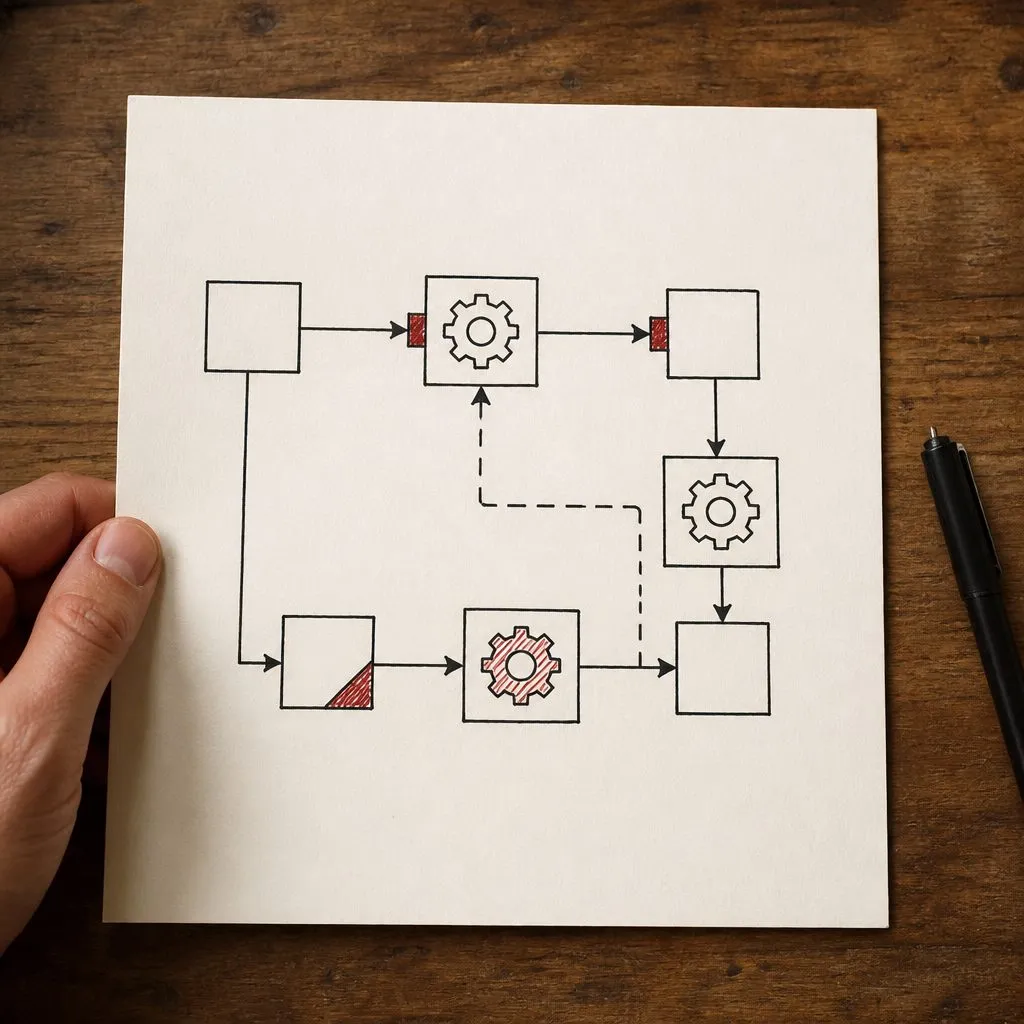
Solar lead automation works by calling every new lead within 30–60 seconds of the form submission, qualifying them on homeownership, electric bill, roof condition, shading, and timeline, booking a consultation if they qualify, and dropping the rest into an automated nurture sequence that re-engages them when incentives or timing change. It turns solar’s high-volume, intensely speed-sensitive funnel into a system instead of a pile of leads your reps work through over days. Here’s how it runs.
Why Solar Is a Perfect Fit for Automation
Three things can make solar lead flow a good fit for automation: volume (paid campaigns may generate many inquiries), standardized qualification (the opening questions are often similar — homeowner status, bill, roof, and timeline), and speed sensitivity (homeowners may compare multiple installers). When all three are true, automation can help a team respond consistently. Demand can still move in waves as utility prices, financing, state incentives, and installation timelines change, so qualification rules should be reviewed whenever the offer or market changes.
The Trigger
A homeowner fills out a form — on your website, a landing page, a Facebook ad. That fires a webhook to the CRM (we build on GoHighLevel), which fires another to the automation layer, which triggers an AI voice agent call. The whole chain runs in under a minute. The U.S. Department of Energy’s solar consumer guidance notes how much research homeowners do before committing — which is exactly why being the first installer they actually talk to matters so much. We covered the speed research in what is speed to lead and why does it matter.
The Qualification Call
The AI agent calls and runs the standard solar qualification:
- Are you the homeowner? (Renters generally can’t proceed — disqualify fast and politely.)
- What’s your average monthly electric bill? (The economics hinge on this.)
- What type of roof, and what condition? (Age, material, whether it needs replacement first.)
- Any shading? (Trees, neighboring buildings.)
- Timeline? (Buying now, or “just looking”?)
Qualified leads get booked into a consultation slot — or warm-transferred to a closer if one’s available. Unqualified leads drop into nurture. The full mechanics are in how does an AI voice agent qualify leads. Everything the agent learns syncs to the CRM, so when your consultant shows up, they already know the bill, the roof, and the timeline.
The Follow-Up Sequence
Most solar leads don’t book on the first touch. The automation runs a multi-day, multi-channel sequence — SMS, email, voicemail drops — each message with a different angle, every one stopping the moment the lead responds or books. We cover the structure in how does CRM automation actually work. The point: no lead sits untouched because a rep forgot to follow up.
Handling the Spikes
When the EIA reports a shift in electricity prices, or an incentive deadline approaches, solar leads spike. A human team works a 400-lead weekend over the following Tuesday through Thursday — by which time half of them have signed with someone faster. The automation calls all 400 the same weekend. This is where the system pays for itself most visibly. We wrote about the cost math in AI voice agent vs call center.
Re-Engagement: The Cold Lead Goldmine
Your CRM is full of homeowners who said “not right now” — maybe the roof needed work first, maybe the timing was wrong, maybe an incentive hadn’t kicked in. Automation re-engages them: periodic value-driven messages, and an automatic nudge when something changes — a new incentive, a rate increase, a seasonal promotion. Those leads come back into the active pipeline instead of dying in the database. We touched on this in how to stop losing leads.
What This Doesn’t Replace
Your solar reps still run the consultations and close the deals. A solar sale is a real conversation — system design, financing, the roof walkthrough, the contract. That stays human. What changes: your reps stop burning the day on renters, wrong numbers, and tire-kickers, and only talk to qualified, booked homeowners. Their close rate goes up because every conversation is worth having. We laid out the hybrid model in AI voice agent vs hiring an SDR.
Where It Fits
Solar lead automation is one layer of a system: a website that captures and ranks, a CRM with proper automation, an AI voice agent at the front, follow-up and re-engagement running underneath. The whole stack is described in the stack that runs modern sales and the CRM side in done-for-you CRM setup. If you’re a solar installer losing leads to slow follow-up — and most are — reach out and we’ll map your funnel, or see pricing for how we package it.
Frequently Asked Questions
Why do solar companies need lead automation specifically? Solar generates high lead volumes from ads, the qualification questions are standardized, and the sale is intensely speed-sensitive — homeowners shop multiple installers. That combination is exactly what automation is built for.
What qualifying questions does solar lead automation ask? Typically: are you the homeowner, what is your average monthly electric bill, what type of roof do you have and its condition, is there shading, and what is your timeline. The answers route the lead to a consultation or a nurture sequence.
How fast does automation contact a solar lead? An AI voice agent can call within 30–60 seconds of the form submission, because a webhook triggers it automatically — no sales rep has to notice the lead first.
Can automation handle the seasonal and incentive-deadline spikes? Yes — that is one of its biggest advantages. When an incentive deadline or a rate change drives a flood of leads, automation scales instantly. A human team works through them over days; the system works through them the same hour.
What happens to solar leads that are not ready yet? They drop into a nurture sequence — periodic value-driven follow-ups by SMS and email — and get re-engaged automatically when timing or incentives change, instead of dying in the CRM.
Does this replace solar sales reps? No. It replaces the repetitive front end — instant contact, qualification, booking, after-hours coverage. Your reps still run the consultations and close the deals, but they only talk to qualified, booked homeowners.
Related reading
- The complete local business marketing playbook - the full sequence this fits into
- How to stop losing leads to slow follow-up
- How fast should you respond to a new lead
- What is speed to lead and why it matters
- Speed-to-lead benchmarks 2026
- How to follow up with leads automatically
- Our automation builds
Frequently asked questions
Why do solar companies need lead automation specifically?
Solar generates high lead volumes from ads, the qualification questions are standardized, and the sale is intensely speed-sensitive — homeowners shop multiple installers. That combination is exactly what automation is built for.
What qualifying questions does solar lead automation ask?
Typically: are you the homeowner, what is your average monthly electric bill, what type of roof do you have and its condition, is there shading, and what is your timeline. The answers route the lead to a consultation or a nurture sequence.
How fast does automation contact a solar lead?
An AI voice agent can call within 30–60 seconds of the form submission, because a webhook triggers it automatically — no sales rep has to notice the lead first.
Can automation handle the seasonal and incentive-deadline spikes?
Yes — that is one of its biggest advantages. When an incentive deadline or a rate change drives a flood of leads, automation scales instantly. A human team works through them over days; the system works through them the same hour.
What happens to solar leads that are not ready yet?
They drop into a nurture sequence — periodic value-driven follow-ups by SMS and email — and get re-engaged automatically when timing or incentives change, instead of dying in the CRM.
Does this replace solar sales reps?
No. It replaces the repetitive front end — instant contact, qualification, booking, after-hours coverage. Your reps still run the consultations and close the deals, but they only talk to qualified, booked homeowners.
Need help applying this?
Bring us the website, search, or automation problem. You will speak directly with the person who scopes and builds the work.
Book a 30-minute call